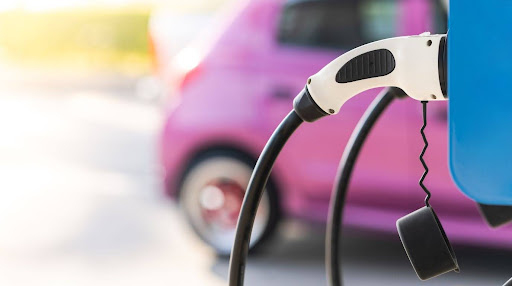
Electrifying Global Transportation As one of the largest transformations in the global transport industry is in motion; the quick adoption of electric vehicles (EVs) is taking place everywhere across the world. Automotive players, policy makers and customers are moving fast towards the electric movement, and it seems that clean energy, battery developments and increased awareness is speeding up its evolution even faster, making electric transportation one of the top choices today.
However, vehicle electrification is more than simply switching the use of cars run on fuel with those run on electricity. This trend refers to fundamental changes in terms of vehicle architecture, propulsion, maintenance and integration with broader transportation systems. As the technology matures, consumer, business or policy considerations around electrification should begin to catch up.
What Is Vehicle Electrification?
Electrification means changing internal combustion engine system into an electric driving system. As the electric degree, an electric driving system is powered by electric motors, or in addition with a traditional engine as it can use a combination of engine power with electric power. Vehicle Electrification groups are: HEV (Hybrid Electric Vehicle), PHEV (Plug-in Hybrid Electric Vehicle), BEV (Battery Electric Vehicle) etc.
Each have benefits related to how they are powered – an all-electric vehicle is zero-emission when it goes, while a hybrid model cuts out burning gas altogether.
Why Vehicle Electrification Is Growing
What Is Accelerating the Development of Electric Mobility? Electric vehicles (EVs) are gaining more acceptance worldwide due to increasing fuel prices, evolving climate standards, supportive governmental initiatives, the widespread knowledge of global climate change, and governments’ declarations for bans and decreases in the sale of fuel vehicles.
In fact, automaker companies still spend their financial resources by millions dollars every year for the R&D of EVs. As they start to scale up their production, EV models turn into more affordable and accesible.
Environmental Benefits
The leading argument in favor of electrifying cars is that it can limit our production of greenhouse gases. Since there are no tailpipe emissions coming out of an EV as it runs down the road, they improve the quality of air that most city dwellers and many commuters breathe in each day. These efforts also play a significant role in worldwide climate control measures and maintaining public health.
The impact on the environment depends also on where you derive your electricity from. It becomes increasingly greener if you’re utilizing renewable resources like wind and solar power for charging.
Lower Operating Costs
EVs might have a slightly higher upfront cost than your car’s predecessor, but over its lifetime, it usually costs less to own and operate. The cost of electricity is generally cheaper than the cost of gasoline or diesel and you will not find so many mechanical parts that you would have to pay for (oil changes, services, large engine repairs).
Advances in Battery Technology
Thanks to continued advancements, today’s lithium-ion batteries hold a considerably bigger charge than previous models, offering greater range, and they’re far more capable in terms of fast charging, and they generally last much longer. Battery companies are already looking to the next generation with designs with a more substantial energy density and enhanced safety.
Vehicle electrification will increase, in particular in the market for passenger cars, buses, trucks and commercial vehicles, as batteries get cheaper and better.
Expansion of Charging Infrastructure
To gain widespread acceptance of EVs, adequate public access to charging facilities is required. Governments as well as many private enterprises have been funding public infrastructure of charging stations that are typically located along public roadways, in shopping areas, and at employment locations or residential communities. However, many EV owners use home-charging stations at night.
Improved charging infrastructure helps reduce range anxiety and increases consumer confidence in electric mobility.
Smart Technology Integration
Modern electric vehicles include advanced digital technologies that improve the driving experience. Features such as smartphone connectivity, over-the-air software updates, intelligent navigation, energy monitoring, and advanced driver-assistance systems are becoming increasingly common.
This technologies will help drivers improve battery utilization, finding nearby service stations or getting a software upgrade even without driving to a service center.
Challenges Facing Vehicle Electrification
There are a number of reasons why despite its rapid pace vehicle electrification has yet to make a huge leap in all countries. Issues such as a lack of charging infrastructure, the high cost of purchasing an EV at first, the recycling of batteries and also how long they take to recharge at home will still prevent some from switching. However, investment from the government and the manufacturing companies will undoubtedly help to alleviate these issues in the future.
Education can help there too. For many buyers, questions linger regarding how far their battery will get them, what type of upkeep the vehicle requires and the long-term costs of ownership.
The Future of Electric Mobility
The transportation sector is gradually transforming towards a greener and electric-driven model in the future. It will further witness higher adoption with further developments in battery technology, renewable integration, self-driving technology, and smart transportation solutions. In addition to it, electric commercial fleet, and smart transportation systems including the public sector and logistics companies are rapidly growing the usage of EV’s.
The way that cars are used will probably change drastically in coming years, with the electrification of cars a key ingredient in the world’s sustainable transport mix as the evolution continues.
Conclusion
Vehicle electrification, or putting the power in the wheels, helps achieve a number of goals such as minimizing air pollution, bringing down costs for users, improving fuel efficiency and moving us towards more environmentally sound travel. Thanks to innovations in batteries, charging systems, and connectivity in cars, using a vehicle for your day-to-day travels is becoming more convenient than ever before.
Although challenges, including the building out of our EV infrastructure and improving batteries, are still ahead, the EV industry’s future looks exceptionally bright. The consumers, organizations, and governments who make the jump to the future will be instrumental in creating cleaner, more efficient, and greener transport for everyone.